Tuesday, 19 August 2025
Sunday, 17 August 2025
Saturday, 16 August 2025
Thursday, 14 August 2025
Your Guide to Gold, Silver & More – Read Our Blog

"Dive into our blog and unearth the secrets of gold, silver, and more from e-waste."
Hamaare blog par aap ke liye precioous metal recovery ka bohot bada khazana hai. Aaap is mein apne matlab ke articles achchhee tarah dhoondhiye, aap ko bohot kuchchh milega.
Friday, 18 July 2025
PCB Recycling Business and Machine/Copper Recovery from PCBs a Profitable Business/E-waste Recycling Machine
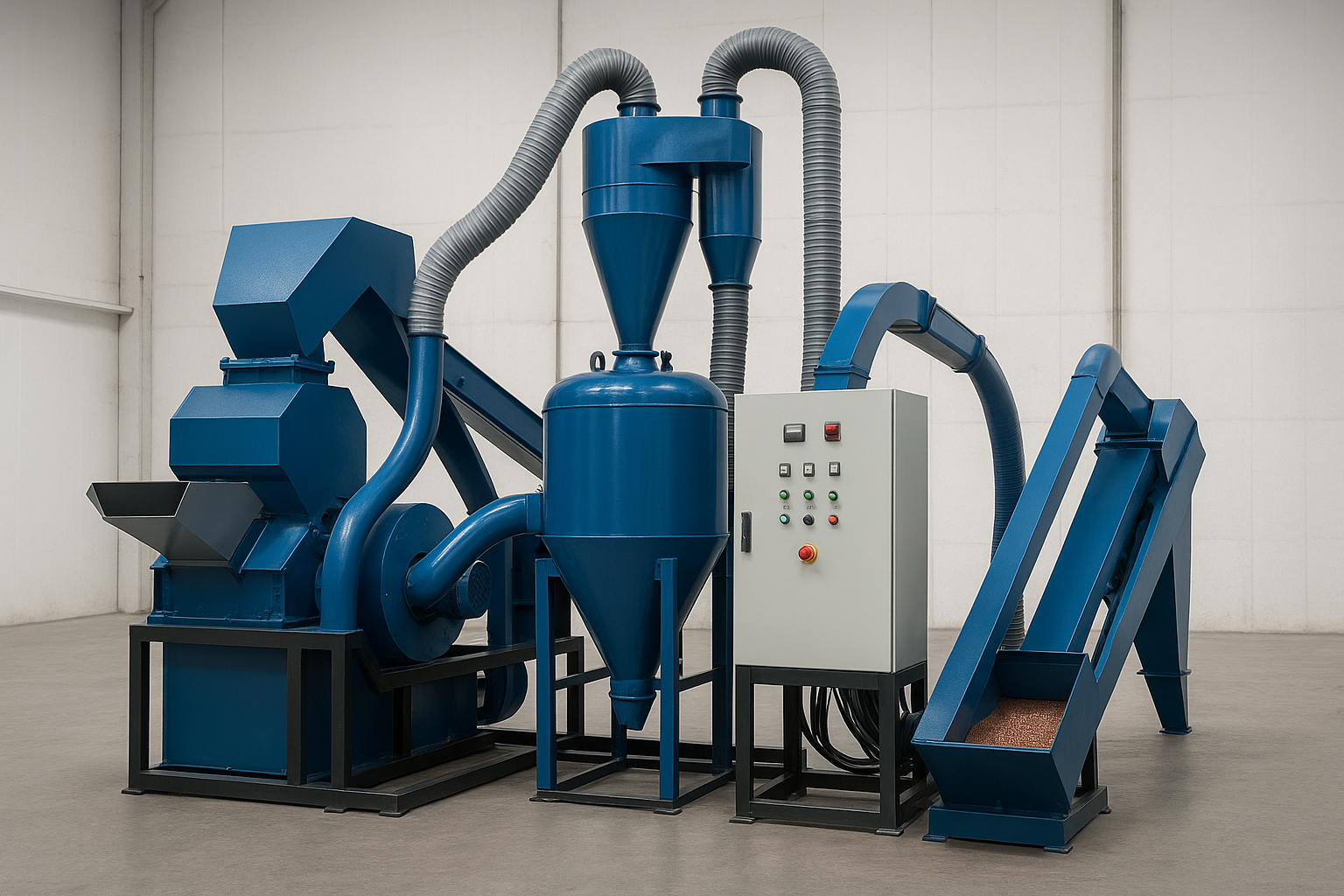
High-Profit Potential of PCB Recycling Machine for Copper Recovery—Complete Setup Cost in India and Abroad
📈 Introduction: The Rising Demand for PCB Recycling
With the explosion in electronics consumption and growing awareness around sustainability, the demand for PCB recycling machines for copper recovery is surging. In India and abroad, this segment is witnessing high profitability, driven by the increasing value of copper, rapid e-waste generation, and strict regulations against informal recycling.
India, the third-largest e-waste producer globally, processes over 2 million tonnes annually—a huge untapped resource for entrepreneurs and industries venturing into copper recovery from PCB scrap.
⚙️ What is a PCB Recycling Machine for Copper Recovery?
A PCB recycling machine is an industrial unit that processes discarded printed circuit boards (PCBs) to extract valuable metals—primarily copper, but also silver, gold, and aluminium in smaller quantities.
These machines typically perform:
-
Crushing and shredding of the PCBs
-
Electrostatic and airflow separation
-
Dust filtration and copper granulation
Modern setups use dry recycling technology, which is cleaner, safer, and far more efficient than burning or acid-based extraction.
🪙 Real Copper Yield from Various PCB Types
Copper yield depends on the type of electronic device:
| PCB Source | Copper Yield |
|---|---|
| Stripped TV Kits | Up to 12% |
| Desktop Motherboards & RAM | Around 30% |
| Cellphone PCBs | 30–40% |
High-yield boards like cellphones and computers are ideal for premium copper recovery. While stripped TV kits are lower-yield, they’re cheaper and available in larger volumes.
Machine Types and Capacities
PCB recycling machines are available in various capacities. Below is a structured overview:
1. Entry-Level Machines (75–100 kg/hr)
-
Cost: ₹17–22 lakh
-
Power: 15–25 kW
-
Features: Manual/semi-auto crushing and separation
-
Total Setup Cost: ₹45–55 lakh
-
Use Case: Startups, small local units
2. Small-Scale Automatic Machines (150–300 kg/hr)
-
Cost: ₹26–35 lakh
-
Power: 30–45 kW
-
Features: Fully automatic operation, electrostatic separators
-
Total Setup Cost: ₹55–70 lakh
-
Use Case: District-level operations, urban aggregators
3. Mid-Scale Industrial Plants (300–500 kg/hr)
-
Cost: ₹45–65 lakh
-
Power: 50–75 kW
-
Setup Cost: ₹85 lakh – ₹1.2 crore
-
Features: Conveyor-fed lines, magnetic and eddy separators
-
Use Case: Export-oriented or inter-state recyclers
4. Large-Scale Plants (500 kg – 1 ton/hr)
-
Cost: ₹75 lakh – ₹1.2 crore
-
Power: 100–150+ kW
-
Setup Cost: ₹1.5 – ₹2.5 crore
-
Use Case:
Use Case: Export-oriented or inter-state recyclers
💰 Complete Setup Cost (By Scale)
| Scale | Machine Cost | Total Setup Cost |
|---|---|---|
| Entry-Level | ₹17–22 lakh | ₹45–55 lakh |
| Small-Scale | ₹26–35 lakh | ₹55–70 lakh |
| Mid-Scale | ₹45–65 lakh | ₹85 lakh – ₹1.2 crore |
| Large-Scale | ₹75L – ₹1.2 crore | ₹1.5 – ₹2.5 crore |
Note: Total setup includes machinery, civil works, licenses, electrical installation, pollution control, and working capital.
🧩 Raw Material Availability in India
India offers excellent access to PCB scrap:
-
Urban centers: Abundant e-waste from mobile and computer repairs
-
E-waste aggregators: Sourcing from telecom, IT, and OEM waste
-
EPR schemes: OEM-mandated take-back programs
-
Industrial auctions: Bulk procurement from government and companies
Exporting countries like the UAE and parts of Africa also ship PCBs to India’s large plants.
📊 Business Potential and Monthly Profit
Let’s assume a 300 kg/hr plant operating 10 hours/day.
-
Daily Input: 3 tons
-
Average Copper Yield: 25%
-
Daily Copper Output: 750 kg
-
Selling Price of Copper: ₹400/kg
-
Monthly Gross: ₹90 lakhs (30 days)
-
Net Profit Margin: 15–20% after OPEX, yielding ₹12–18 lakhs/month
Smaller plants earn ₹1.5–3 lakhs/month, while large-scale units exceed ₹20 lakhs/month.
🌍 India vs Global PCB Recycling Scene
India
-
Rapid rise in e-waste
-
Strong domestic demand for copper
-
Government push for formal recycling
-
Affordable labor and setup costs
Global
-
Higher automation in Germany, Japan, China
-
Export-driven models
-
Strict compliance and tracking
-
Greater demand for high-purity copper
🔮 Future of PCB Recycling and Copper Recovery
-
Automation & AI integration: Higher recovery precision
-
Urban mining: Recovery from landfills and legacy dumps
-
Government incentives: For formal recyclers under E-Waste Rules
-
Circular economy adoption: By manufacturers and governments
Copper demand will rise with EVs, 5G, smart cities, and solar power — all of which rely heavily on copper.
📌 Summary Highlights
-
Copper yield varies by PCB type: TV kits (12%), desktop PCBs (30%), cellphone boards (up to 40%)
-
Machines range from ₹17 lakh to ₹1.2 crore+
-
Full plant setup from ₹45 lakh to ₹2.5 crore
-
Small units earn ₹1.5–3 lakh/month; large units over ₹15 lakh/month
-
E-waste is widely available in India via urban scrap, EPR, and auctions
-
Global markets show rising interest in copper granules from PCB scrap
🔗 External Reference
CPCB Authorized E-Waste Recyclers – India
✅ Final Word
The PCB recycling machine for copper recovery is more than a trend — it's a sustainable, profitable, and future-ready business model. With relatively low entry barriers, scalable technology, and consistent copper demand, this sector holds immense promise for startups and industrial players alike.
Wednesday, 16 July 2025
Gold Recovery Machines/Gold Extraction Machine/Gold Extraction Machine from E-waste/Gold Recovery Unit

Top Gold Recovery Machines in India: Pros, Cons & What They Extract From
Gold recovery machines have gained significant traction in India due to the rise in gold prices and the growing need to recycle precious metals from various sources. From traditional panning setups to high-end automated chemical refineries, these machines offer effective solutions for everyone—from hobbyists to large-scale refiners. In this article, we’ll explore the types of gold recovery machines available in the Indian market, their pros and cons, and what materials they are suitable for.
🔍 Types of Gold Recovery Machines in India
1. Manual & Semi-Automated Gravity Panning Machines
These are simple, cost-effective machines primarily used to separate gold from soil, sand, and gravel through centrifugal and gravity processes.
✅ Pros:
-
Budget-friendly
-
Portable and lightweight
-
No chemicals involved
❌ Cons:
-
Limited recovery rate
-
Not suitable for industrial-scale operations
-
Manual feeding required
Used For:
-
Riverbeds
-
Alluvial deposits
-
Surface gold particles
2. Fully Automatic Panning Systems
These machines operate on electricity and come with built-in motors to separate gold particles efficiently using a combination of water flow and rotational movement.
✅ Pros:
-
High efficiency in separating fine gold
-
Less manual effort
-
Suitable for small-scale commercial setups
❌ Cons:
-
Dependence on electricity
-
Medium throughput
-
Requires basic setup and calibration
Used For:
-
Alluvial gold
-
Gold dust in mining residues
-
Fine gold from washed gravel
3. Gravity-Based Concentrators
These are industrial-grade machines that utilize centrifugal force and gravity to isolate fine gold particles from slurry or wet material.
✅ Pros:
-
High recovery rates
-
Chemical-free
-
Effective on fine gold particles
❌ Cons:
-
Higher initial investment
-
Requires constant water supply
-
Needs trained personnel for operation
Used For:
-
Mine tailings
-
Ore slurry
-
Industrial waste with gold traces
4. Chemical-Based Refining Machines (Aqua Regia Method)
These machines use a chemical solution—typically a mix of nitric acid and hydrochloric acid—to dissolve gold from various sources. Once dissolved, the gold is precipitated and purified.
✅ Pros:
-
High purity levels (up to 99.99%)
-
Suitable for a wide range of gold-bearing materials
-
Fully automated systems available
❌ Cons:
-
Chemical handling risks
-
High setup and operating costs
-
Requires pollution control and proper waste disposal
Used For:
-
Old jewellery
-
Electronic waste (e-waste)
-
Gold alloys and dore bars
5. Mini Gold Separator Units
These compact machines are designed for small processing plants and are often used in mobile setups.
✅ Pros:
-
Space-saving design
-
Cost-effective for micro-recyclers
-
No mercury or cyanide used
❌ Cons:
-
Limited throughput
-
Requires preprocessing of material
-
Maintenance-intensive over time
Used For:
-
Gold particles from sand
-
Small-scale recycling plants
-
Local recovery from small mines
🧾 What Can Gold Recovery Machines Extract Gold From?
Gold can be extracted from a surprising variety of sources. Here's a breakdown of some common ones:
| Source Material | Best Suited Machine Type |
|---|---|
| River Sand & Gravel | Manual or Automatic Panning Machines |
| Electronic Waste (PCBs) | Chemical Refining Systems (Aqua Regia) |
| Gold Jewellery Scrap | Chemical Refining Systems |
| Mine Tailings | Gravity-Based Concentrators |
| Ore Slurry | Gravity Separators or Industrial Setups |
| Dental or Medical Waste | Aqua Regia or Small Refining Units |
| Gold Alloys | Chemical Refining with Pre-processing |
📊 Comparative Pros and Cons of Indian Market Options
| Machine Type | Pros | Cons |
|---|---|---|
| Gravity Panning | Inexpensive, beginner-friendly | Manual operation, low capacity |
| Automatic Panning | Efficient, low labor input | Mid-range cost, power dependent |
| Gravity Concentrators | High recovery, chemical-free | High setup cost, professional operation needed |
| Chemical Refiners | High purity, broad material compatibility | Safety and regulation-heavy, high cost |
| Mini Separators | Compact, mobile | Limited scale, requires preprocessing |
🧠 Key Considerations Before Buying
-
Scale of Operation: Are you a hobbyist or a commercial recycler?
-
Type of Material: Choose machines suited to river sands, jewellery, e-waste, or industrial slurry.
-
Budget: Machines range from ₹50,000 for manual units to ₹15 lakh+ for industrial-grade setups.
-
Regulatory Requirements: Chemical machines require permits and waste treatment systems.
-
Training & Support: Some systems need professional installation and ongoing maintenance.
❓Frequently Asked Questions (FAQs)
1. Can gold recovery machines extract gold from e-waste?
Yes, chemical-based machines using the Aqua Regia method are specifically designed to recover gold from electronic waste like circuit boards.
2. Are gravity-based machines suitable for industrial use?
Only high-capacity gravity concentrators are ideal for industrial setups. Small spiral panning devices are better for artisanal or hobby use.
3. What purity levels can I expect from chemical gold refining machines?
Most automated chemical machines in India can achieve up to 99.99% gold purity if used correctly with proper filtration and fume control.
4. Is it legal to operate a chemical gold recovery machine in India?
Yes, but you must comply with pollution control laws, hazardous waste handling rules, and often need environmental clearance depending on scale.
5. What is the lifespan of a typical gold recovery machine?
With proper maintenance, manual and gravity-based machines can last 5–10 years, while chemical systems need part replacements every 2–3 years.
6. Do I need a professional to run these machines?
Basic machines can be operated after simple training, but chemical-based or industrial units should be handled by trained personnel due to safety concerns.
🔚 Conclusion
The Indian market offers a diverse range of gold recovery machines catering to all scales—from DIY setups to industrial refiners. Choosing the right machine depends heavily on your material source, volume of operation, and budget. While manual and gravity options are safer and cheaper, chemical systems deliver unmatched purity and volume—if you can manage their complexity and regulations.
Monday, 30 June 2025
Urban Gold Mines/Gold Recovery Training/Gold Recovery from Laptops/Gold Extraction from Cellphones and Rams
